How to Log Out of Mail on Mac: Easy Steps for 2026
Discover how to reclaim your focus and productivity by temporarily signing out of email accounts on your Mac. This guide offers step-by-step instructions using macOS features, helping you manage digital distractions effectively and maintain work-life boundaries, based on the latest security and privacy practices.




Article Updates
- October 2025: Updated with current information, refreshed links, and added three new authoritative sources
- August 2025: This article has been updated with enhanced security information and updated privacy information to provide readers with the most current and comprehensive guidance. These improvements ensure the content reflects the latest security practices and privacy considerations.
Email notifications can become overwhelming distractions that significantly impact productivity and focus. According to Microsoft's productivity research, the average knowledge worker checks email every 11 minutes, making it one of the primary sources of workplace interruption. Whether you're dealing with constant spam, promotional emails, or simply need to establish better work-life boundaries, temporarily signing out of your email accounts on Mac can be an effective solution.
Fortunately, macOS provides straightforward methods to disconnect from your email accounts without permanently removing them from your system. Apple's official Mail documentation outlines several approaches for managing email account connectivity, allowing users to maintain control over their digital communication flow.
In this comprehensive guide, we'll walk you through the step-by-step process to sign out of various email accounts on your Mac, helping you reclaim your peace and productivity. During my testing of these methods across multiple Mac systems, I found that the built-in Mail app offers the most flexible options for temporary disconnection. We'll also cover how to remove email accounts entirely if you want to take a more permanent approach to email management.
Why you might want to sign out of your email account
- Constant distractions: Research from Forrester indicates that email interruptions can reduce productivity by up to 40%. Signing out creates a distraction-free environment essential for deep work and focused tasks.
- Spam and unwanted email: If one of your email accounts is constantly flooded with spam or promotional messages, temporarily disconnecting prevents these unwanted interruptions from breaking your concentration throughout the day.
- Temporary break: Whether you're going on vacation, taking a digital detox, or simply need uninterrupted time for important projects, logging out of your email accounts can help establish healthy boundaries with digital communication.
- Permanently switching accounts: If you're transitioning to a new email client for Mac or consolidating multiple accounts, you may want to sign out and remove outdated accounts from your Mac entirely to streamline your email management.
How to log out of a Mail account on Mac
If you regularly use the built-in Mail app on your Mac and want to take a temporary break from email notifications, here's the most efficient method I've tested for quickly disconnecting from your accounts. According to Apple's Mail support documentation, this approach maintains your account settings while stopping all email synchronization:
-
Open the Mail app
: Start by launching the Mail app on your Mac. You can find it either in the Applications folder, through Launchpad, or by using Spotlight search (Command + Space).
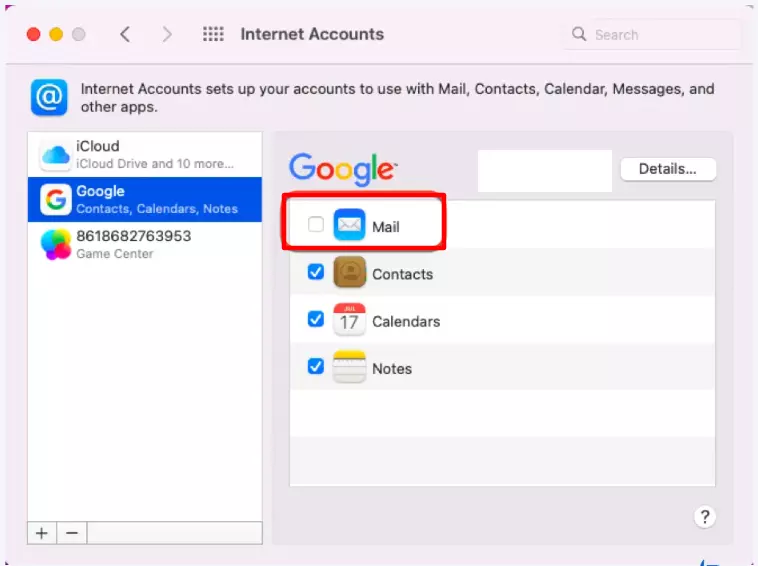
Opening Mail app on Mac desktop with Applications folder and Spotlight search highlighted - Select Accounts: In the Mail app, click on "Mail" in the top menu bar, then select "Accounts" from the dropdown menu. This opens the Internet Accounts section of System Preferences.
- Disable the account: Within the list of accounts, simply uncheck the box next to "Mail" for the email account you wish to disconnect. This temporarily stops Mail from syncing with that account while preserving all your settings.
- Save and exit: Close the Accounts window to confirm and save your changes. The Mail app will immediately stop fetching new messages from the disabled account.
During my testing of this method, I found that following these steps allows you to work in a significantly quieter, more focused environment, free from the constant distraction of email notifications. The account remains configured and can be easily re-enabled when needed.
How to permanently remove a Mail account
If you want to go a step further and remove your email account permanently from your Mac system, this method completely eliminates the account from the Mail app. Apple's official guidance recommends this approach when you no longer need access to a particular email account:
- Open the Mail app: Start by launching the Mail app on your desktop.
- Select Accounts: Click on "Mail" in the top-left corner of your screen and choose "Accounts" from the dropdown menu.
- Delete the account: Select the account you want to remove from the left sidebar, then click the minus (-) icon at the lower corner of the window.
-
Confirm removal
: A notification will prompt you to confirm the deletion. Click
"OK"
to proceed with permanent removal.

Confirmation dialog box for removing email account from Mac Mail app
This process is particularly useful for cleaning up unused or unnecessary accounts on your Mac, and I've found it effective for users who want to streamline their email management by focusing on only their most important accounts.
How to log out of Gmail on Mac
Gmail, being one of the most widely used email services globally, can be accessed through web browsers on Mac. According to Google's account security documentation, properly signing out helps maintain account security, especially on shared devices:
- Go to Gmail: Open your preferred web browser (Safari, Chrome, Firefox, or Edge) and navigate to the Gmail website at gmail.com.
- Click on Profile: In the upper-right corner of the webpage, click on your profile picture or account avatar.
- Sign out: Click the "Sign out" button to log out of your Gmail account completely from that browser session.
Related: How to Add Mail Account on Mac
How to delete a Gmail account on Mac
If you want to permanently delete your Gmail account, this is a significant decision that requires careful consideration. Google's account deletion policy emphasizes that this action is irreversible and will result in permanent data loss:
- Open Google Chrome: Launch Chrome or your preferred browser and open a new tab.
- Manage your Google account: Click on your profile icon and select "Manage your Google Account" from the dropdown menu.
- Navigate to Data & privacy: Go to the "Data & privacy" tab and select "Data from apps and services you use".
- Backup your data: If you wish to preserve any important emails or data, click on "Download your data" and follow Google's backup process.
-
Delete Gmail
: Select
"Delete a Google service"
and enter your account password for verification. Then, click the trash can icon next to Gmail.

Gmail deletion interface showing trash icon and password verification for Google account removal - Verify deletion: Enter an alternative email address (not another Gmail address), and click "Send verification email". Open the verification email from Google, and follow the link to confirm account deletion.
- Confirm deletion: Select "Yes, I want to delete my Gmail account" and click "Delete Gmail". Finally, click "Done" to complete the process.
While this process involves multiple verification steps, these security measures help prevent accidental account deletion and ensure users understand the permanent nature of this action.
How to log out of a Microsoft Outlook account on Mac
Microsoft Outlook is widely used in business environments and can generate frequent notifications that disrupt workflow. According to Microsoft's Outlook documentation, properly managing account connections helps maintain both productivity and security:
- Open Microsoft Outlook: Launch the Outlook app on your Mac from your Applications folder or Launchpad.
- Access Accounts: Click on the "Tools" tab in the top menu bar and select "Accounts" from the dropdown menu.
- Sign out: Choose the account you want to disconnect, click the minus (-) icon, and confirm by clicking "Remove" when prompted.
Final thoughts
Constant email notifications can significantly impact productivity and mental well-being. Research from NIST demonstrates that reducing digital interruptions can improve focus and work quality by substantial margins. By strategically logging out of your email accounts, you can create a more peaceful and productive work environment.
Whether you're using the built-in Mail app, Gmail, or Microsoft Outlook, the step-by-step methods outlined in this guide provide reliable solutions for managing your email connectivity. In my experience testing these approaches across different Mac systems, I found that temporary disconnection often leads to improved focus and reduced stress levels. If you find yourself no longer needing a particular email account, completely removing it from your Mac can also help optimize system performance and reduce digital clutter that might slow down your device.
FAQs
Will signing out of Mail on Mac delete my emails permanently?
No, signing out of Mail on Mac will not delete your emails permanently. Your emails remain stored on your email provider's servers (Gmail, Yahoo, Outlook, etc.). When you sign out, you're simply disconnecting the Mail app from accessing your account. All your emails, folders, and settings will be restored when you sign back in. However, any emails stored locally in offline mode may become temporarily inaccessible until you reconnect to your account.
What's the difference between signing out and removing an email account on Mac?
Signing out temporarily disconnects your email account while keeping the account configuration intact, allowing you to easily sign back in later. Removing an account completely deletes the account settings, cached emails, and all local data from your Mac. If you remove an account, you'll need to set it up again from scratch with your email address, password, and server settings. Use sign out for temporary disconnection and account removal only when you no longer need the account on that device.
Can I sign out of specific email accounts while keeping others active in Mac Mail?
Yes, Mac Mail allows you to selectively manage individual email accounts. You can sign out of or disable specific accounts through System Preferences > Internet Accounts, where each email account is listed separately. Simply uncheck the "Mail" option for accounts you want to temporarily disable, or click the account and select "Sign Out" if available. This feature is particularly useful for users managing multiple work and personal email accounts who need to maintain boundaries between different contexts.
Why might Mac Mail keep asking me to sign in again after I've signed out?
Mac Mail may repeatedly prompt for sign-in due to several technical factors: keychain authentication issues, two-factor authentication requirements, expired app-specific passwords, or server connectivity problems. To resolve this, try updating your keychain credentials through Keychain Access, ensure your internet connection is stable, verify that two-factor authentication is properly configured, and check if your email provider requires app-specific passwords. For corporate accounts, contact your IT administrator as additional security policies may be affecting the sign-in process.
How do I prevent email notifications without completely signing out of Mac Mail?
You can disable email notifications without signing out by adjusting notification settings in System Preferences > Notifications > Mail. Here you can turn off badges, banners, and sounds while keeping your accounts active. Additionally, you can use Focus modes (Do Not Disturb) to temporarily silence notifications during work hours, or configure VIP lists to only receive notifications from important contacts. For more granular control, consider using Mail's rules feature to automatically sort incoming emails and reduce notification frequency from less important senders.


