Feeling down after bombing a job application aptitude test? You're not alone
Explore the limitations and benefits of aptitude tests, widely used for their efficiency and objectivity in recruitment. Discover why these assessments may not fully capture human potential and how they compare to other hiring practices, raising critical questions about their role in modern recruitment strategies.


Article Updates
- August 2026: Updated to refresh content with current information.
Aptitude tests are a useful tool, but they're far from perfect. They offer efficiency and objectivity but can't capture the full complexity of human potential. According to research published by the Society for Industrial and Organizational Psychology, while cognitive ability tests show predictive validity for job performance, they represent only one dimension of workplace success. Let's explore why and discuss what we can do instead.
Despite their achievements, many talented professionals find themselves questioning their abilities after stumbling through one of these assessments. The mismatch between these tests and the real-world skills they're supposed to evaluate raises some tough questions about recruitment practices. The Equal Employment Opportunity Commission notes that employment tests must be job-related and consistent with business necessity to avoid discriminatory impacts.
What are aptitude tests, and why are they so popular?
Aptitude tests aim to measure cognitive abilities, such as logical reasoning, numerical problem-solving, and verbal aptitude. In theory, these skills are essential indicators of success in many roles. They're loved by recruiters because they promise objectivity, efficiency, and scalability—particularly useful when dealing with hundreds or thousands of applications.
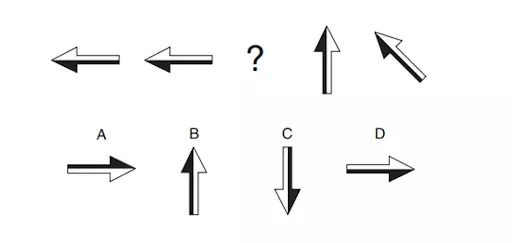
Let's face it: manually sifting through resumes isn't just time-consuming; it's prone to bias. Harvard Business Review research demonstrates that traditional resume screening often reflects unconscious biases rather than actual job-relevant qualifications.
A well-designed aptitude test levels the playing field (or at least tries to). Studies even suggest that General Mental Ability (GMA) tests outperform resumes or interviews in predicting job success, especially for roles that demand high-level problem-solving. According to meta-analytic research published in the Journal of Applied Psychology, cognitive ability tests show validity coefficients of approximately 0.51 for job performance prediction.
But does the promise of efficiency and fairness hold up in practice?
The pros of using aptitude tests
There's a reason these tests are so widely used. Let's give credit where it's due:
- Predictive power: Aptitude tests do a decent job of predicting performance in cognitively demanding roles. If a job needs sharp reasoning and quick decision making, these tests can help pinpoint candidates with those strengths. Research in the Journal of General Psychology confirms that cognitive ability tests remain among the most valid predictors of job performance across various occupations.
- Efficiency in hiring: For recruiters buried under an avalanche of applications, aptitude tests are a godsend. They can quickly trim the candidate pool, making the selection process manageable. The Society for Human Resource Management reports that automated testing can reduce initial screening time by up to 75%.
- Reducing bias (to some extent): By standardizing evaluations, these tests minimize personal biases that might creep into resume reviews or interviews. However, the American Psychological Association emphasizes that tests must be carefully validated to ensure they don't perpetuate systemic inequalities.
- Cost-effectiveness: Administering an online test is cheaper than adding more interview rounds or hiring additional recruiters to review applications manually.
- Accessibility for remote hiring: Web-based platforms make it easier to administer aptitude tests globally, widening the talent pool without significant logistical challenges.
On paper, it all sounds great. But let's not forget that every pro comes with a con—or several.
The flaws and limitations of aptitude tests
Here's where things get messy. Despite their popularity, aptitude tests have significant drawbacks that can't be ignored:
1. The "relevance" problem
Here's a tough question: how often do companies actually confirm that the skills being tested are genuinely necessary for the job? Industrial psychology research indicates that many organizations skip proper job analysis, leading to misaligned testing strategies.
It's tempting to assume that logical reasoning or attention to detail is critical for every role, but how often is that based on a detailed job analysis or competency mapping? Not often enough. The U.S. Department of Labor's ONET database provides detailed job analysis frameworks, yet many companies bypass these systematic approaches.
More often, it's the hiring manager's opinion, which—while valuable—might overemphasize some aspects of the role and overlook others.
For example, logical reasoning might be tested for a customer service role, but what if empathy or communication skills are more critical? Without proper competency mapping, companies risk overvaluing certain traits while ignoring others.
2. Great candidates you'll never meet
Aptitude tests are often the first hurdle in the hiring process. If a candidate scores poorly, they're out—end of story. But think about what this means: you're choosing the best candidates from those who passed the test, not the best candidates overall.
What about the brilliant applicant who had an off day? Or the creative problem-solver who struggles under time pressure? The American Psychological Association notes that test performance can be influenced by factors unrelated to job performance, including test anxiety, cultural familiarity, and preparation resources.
The test doesn't just measure ability; it also measures familiarity with the format, stress tolerance, and even access to preparation resources—all of which can exclude great talent for the wrong reasons.
3. Cultural and socioeconomic biases
Standardized tests are not always as neutral as they seem. Cultural assumptions embedded in test questions can disadvantage candidates from underrepresented backgrounds. EEOC guidelines specifically address how seemingly neutral tests can have disparate impact on protected groups.
For instance, examples or contexts that are more familiar to certain demographics can skew results, putting others at a systemic disadvantage. Additionally, research from the Brookings Institution demonstrates that disparities in access to preparatory resources for wealthier individuals can disadvantage candidates from underrepresented backgrounds, skewing results and creating systemic inequities.
4. Narrow focus
Aptitude tests measure a limited range of skills, leaving out critical factors such as emotional intelligence, creativity, and collaboration. Harvard Business Review research emphasizes that emotional intelligence often predicts workplace success better than cognitive ability alone. In real workplaces, these are often the qualities that differentiate a good hire from a great one.
5. The stress factor
Let's not underestimate the pressure-cooker environment of a timed test which can become an unfair barrier. And let's be real: how often does the workplace replicate the conditions of a timed logical reasoning test?
Studies published in Applied Psychology journals show that test anxiety and ADHD disproportionately impact candidates, making it harder for them to perform well under the stress of timed conditions. For some, these scores reflect their familiarity with the test format rather than their actual ability to excel in the role.
What should we do instead?
So, how do we strike the right balance? Human resource management experts recommend a multi-faceted approach to candidate assessment. Here are some practical steps:
- Validate the test's relevance: Start with a proper job analysis. The Department of Labor's ONET framework provides systematic approaches to identify truly critical job competencies. Make sure the skills you're testing for are genuinely critical to success in the role.
- Use a holistic approach: Combine aptitude tests with other methods, such as structured interviews, practical assignments, or portfolio reviews. Industrial psychology research demonstrates that multiple assessment methods provide more comprehensive candidate evaluation. This gives candidates multiple ways to showcase their strengths.
- Rethink early screening: Consider whether it makes sense to use the test as the very first hurdle. Could you gather more information—like a resume review in addition to screening questions—before deciding who takes the test?
- Address bias in test design: Work with providers to ensure the test content is inclusive and doesn't rely on cultural or socioeconomic assumptions. EEOC guidelines provide specific recommendations for bias reduction in employment testing.
- Communicate with candidates: Explain what the test measures and why it's being used. Offer feedback to those who don't make the cut—it's a small step that goes a long way toward improving the candidate experience.
Conclusion: There's more to talent than test scores
Here's the crux of the problem: aptitude tests promise objectivity, but their narrow focus means you might be missing out on exceptional candidates who don't fit the test format. Harvard Business Review analysis confirms that over-reliance on standardized assessments can systematically exclude diverse talent.
If the test is your only lens, you're not evaluating the candidate's full potential. You're evaluating how well they can navigate the test itself. And the more we rely on these tests as the first step, the more we lose out on diverse talent pools.
For candidates: don't let a test score define you. Your skills, creativity, and real-world problem-solving ability matter far more than a single assessment. Psychological research supports that job performance depends on multiple factors beyond what any single test can measure.
For companies: it's time to rethink how we define and measure talent. By using aptitude tests as part of a broader, more thoughtful strategy, we can build hiring processes that are both fair and effective—and make sure we're not missing out on the very best people.
FAQs
Why do so many qualified candidates fail job aptitude tests?
Aptitude tests often fail to capture the full spectrum of human capabilities and job-relevant skills. According to research by the Society for Human Resource Management, these standardized assessments primarily measure specific cognitive abilities under artificial time constraints, which may not reflect real-world job performance. Factors like test anxiety, cultural bias in question design, and the inability to demonstrate practical problem-solving skills can cause highly qualified candidates to underperform. Additionally, many aptitude tests don't account for emotional intelligence, creativity, leadership potential, or industry-specific knowledge that are crucial for job success.
What should I do immediately after failing an aptitude test?
First, allow yourself to process the disappointment without letting it define your professional worth. Request feedback from the employer if possible, as some companies provide insights into specific areas where you can improve. Use this as a learning opportunity by identifying which test components challenged you most—whether numerical reasoning, verbal comprehension, or logical thinking. Consider taking practice tests from reputable sources like SHL or Kenexa to familiarize yourself with common formats. Most importantly, continue applying to other positions while working on skill development, as one test result doesn't predict your overall career potential.
How can I better prepare for future aptitude tests?
Effective preparation involves both technical skill building and test-taking strategy development. Start by identifying the specific types of aptitude tests commonly used in your industry—numerical, verbal, abstract reasoning, or situational judgment tests. Utilize established preparation platforms like JobTestPrep or AssessmentDay, which offer practice tests with detailed explanations. Develop time management skills by practicing under timed conditions, as most aptitude tests are designed to create time pressure. Additionally, ensure you're well-rested, have eaten properly, and arrive early to minimize anxiety. Consider working with a career counselor who specializes in assessment preparation if you continue to struggle with test performance.
Are there alternative ways to demonstrate my abilities to employers?
Yes, there are several effective alternatives to showcase your capabilities beyond aptitude tests. Develop a strong portfolio that demonstrates your work quality and problem-solving abilities through real projects and case studies. Seek opportunities for informational interviews or networking events where you can display your knowledge and personality directly. Consider pursuing relevant certifications or completing online courses that validate your skills in specific areas. Volunteer for projects or freelance work that allows you to build a track record of success. Some progressive employers are also adopting work sample tests, behavioral interviews, or trial periods that better reflect actual job performance than standardized aptitude tests.
Should I disclose my aptitude test struggles to potential employers?
Generally, you should not voluntarily disclose poor aptitude test results unless specifically asked. Instead, focus on highlighting your strengths, relevant experience, and proven track record of success in similar roles. If asked directly about test performance, be honest but frame your response positively by emphasizing what you learned from the experience and steps you've taken to improve. Highlight alternative evidence of your capabilities, such as successful project outcomes, positive performance reviews, or relevant achievements. Remember that many successful professionals have faced similar challenges with standardized testing, and employers increasingly recognize that test performance doesn't always correlate with job success. Focus on building relationships and demonstrating your value through multiple touchpoints rather than dwelling on a single assessment method.


